
First Time on Whitewater? The Truckee Is Where We’d Start You
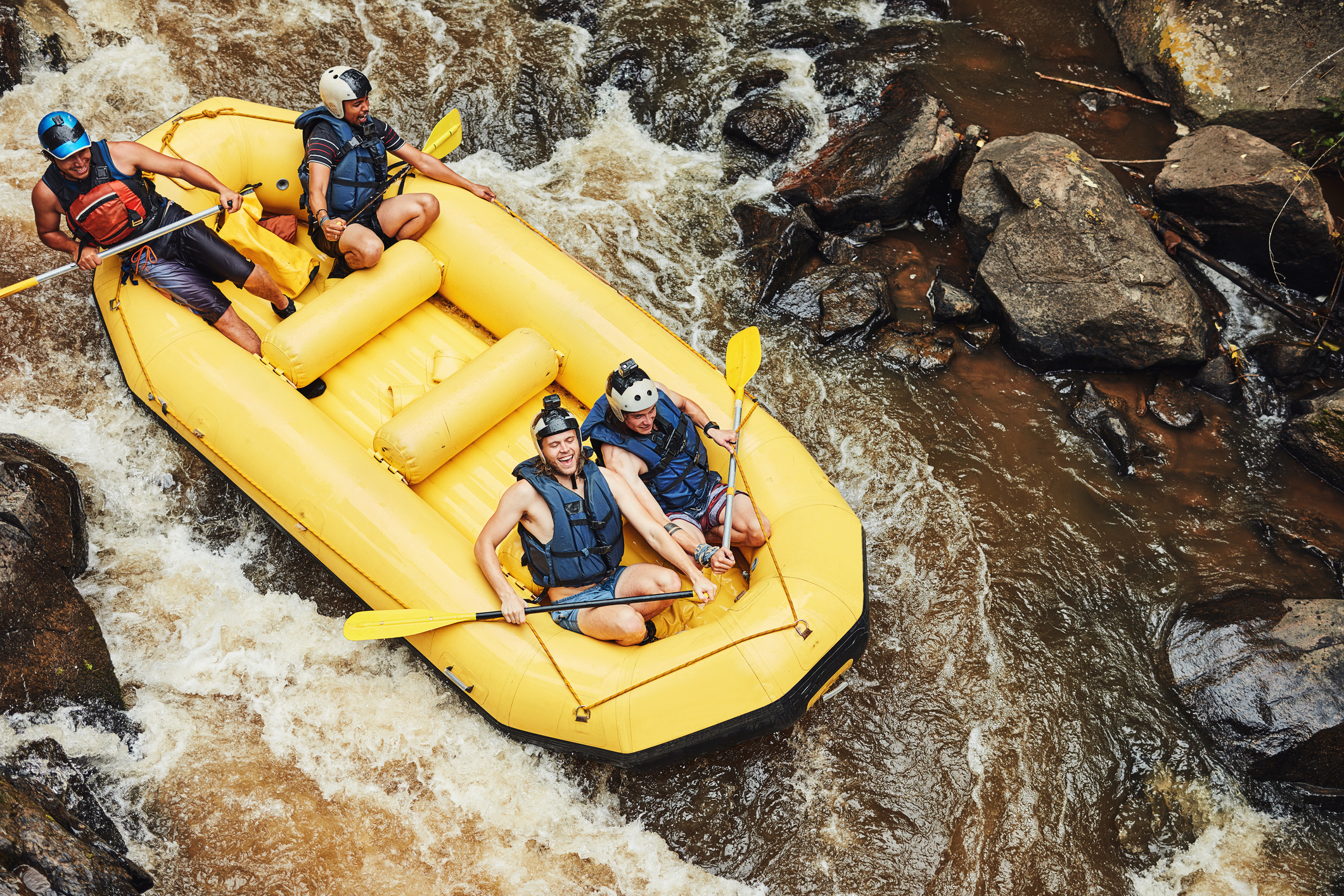
We’ve been running rafts on the Truckee River since 1994, and it’s still the trip we hand to first-timers. Here’s why. Just north of Lake Tahoe, the Boca-to-Floriston stretch gives you real whitewater — Class II with a few Class III drops — without the intimidation of a big, technical river.
The water is warm by July, the flows stay steady thanks to dam releases upstream, and the run threads a granite canyon you won’t forget. If you’ve never paddled and you want a first day that’s exciting but forgiving, start here. We’ll take care of the rest.
Quick Summary: Key Takeaways
- Best first river: The Truckee’s Boca-to-Floriston run is Class II–III — thrilling but forgiving for beginners.
- Reliable summer flows: Dam releases keep the water running all season, so trips rarely cancel for low water.
- Warm and scenic: July and August bring the warmest water and a gorgeous river-canyon float near Truckee.
- Family-friendly: Kids and first-timers do great with a guide in the boat; no experience needed.
- Ready for more? The Middle Fork American is the natural next step once you’ve got the Truckee under your belt.
Why the Truckee Is the Right First Whitewater River
The Truckee hits a sweet spot. It’s lively enough to feel like real rafting, but the rapids are read-and-run, not the kind that demand years of experience. On the international scale of river difficulty, our Boca-to-Floriston run sits at Class II with a couple of Class III rapids — moderate waves, clear lines, and easy swims in the rare case someone goes over the side.
Big enough to grin about. Small enough to relax. That balance is exactly what makes a first trip stick.
What Class III Actually Means
People hear “Class III” and picture chaos. It isn’t. American Whitewater defines Class III as intermediate water — moderate, irregular waves that a guide steers you through with a few clear maneuvers, where injuries while swimming are rare and self-rescue is usually simple.
On the Truckee, those Class III moments are short bursts between calmer stretches where you catch your breath and take in the canyon. You’ll get splashed. Expect to paddle hard when your guide calls it. And you’ll almost certainly want to go again.
The Best Time to Raft the Truckee
Our season runs from late May into September, and midsummer is prime. May and June bring higher, pushier water off the snowmelt. By July and August the flow settles into a steady, warm, sun-soaked rhythm that’s ideal for a first trip — and because it comes from scheduled dam releases, we’re not at the mercy of a dry week.
Mornings are calm and cool. Afternoons warm up and the light goes golden in the canyon. Any summer day on the Truckee is a good one, but a July morning is hard to beat.
What a Day on the Boca-to-Floriston Run Looks Like
You’ll meet us near Truckee, off Stampede Meadows Road, where our guides get you into a wetsuit, splash jacket, helmet, and life vest. After a safety talk and a paddling lesson on dry land, we shuttle to the put-in and push off. The run winds through a granite canyon with pine-lined banks, a handful of named rapids, and plenty of calm water to float and swim.
Your guide rides in the boat the whole way, calling strokes and reading the river. Plan on a half day. Bring a change of clothes, river sandals, and sunscreen — everything else, we provide.
Who Should Start Here, and Who Should Wait
We’ll be straight with you. The Truckee is a great first river for kids, nervous beginners, and anyone who wants excitement without the deep end. What it isn’t is a Class IV+ run like the North Fork American and its Chamberlain Falls, which is no place to learn.
Rafted the Truckee already and want a bigger challenge? The Middle Fork American, with its famous Tunnel Chute, is the step up we’d point you to. Start where your experience is. Build from there. That’s how you end up loving this sport instead of getting scared off it.
How We Set First-Timers Up to Succeed
Thirty-plus years on these rivers taught us that a great first trip comes down to the guide. Ours are trained through our own guide school, and they read beginners as well as they read the water. We keep groups small and explain everything before it happens, and booking runs through FareHarbor so you can see live availability and reserve in a couple of minutes.
Family-owned since 1994, still running the same rivers, still loving the work. Come find out why people drive up from Sacramento and Reno for a morning on the Truckee.
Frequently Asked Questions
Q: Is the Truckee River good for first-time rafters?
A: Yes — it’s one of the best beginner rivers in California. The Boca-to-Floriston run is Class II with a few Class III rapids, so you get genuine whitewater with forgiving water and a guide in every boat. No experience needed.
Q: How cold is the Truckee River in summer?
A: By July and August the water is comfortable, especially in the wetsuit we provide. Early season in May and June runs colder off the snowmelt. Midsummer is the warmest, easiest water of the year.
Q: What should I wear rafting on the Truckee?
A: Wear a swimsuit or quick-dry layers and bring river sandals or old sneakers, sunscreen, and a change of clothes. We provide the wetsuit, splash jacket, helmet, and life vest. Skip cotton and anything you can’t get wet.
Q: Do you need experience to raft Class III rapids?
A: Not on a guided trip. Your guide handles the technical work and calls out every paddle stroke, so first-timers run Class III all summer on the Truckee. When you want a bigger challenge, the Middle Fork American is the next step.
Come Raft the Truckee With Us This Summer
The Truckee is the run we put our own families on — the one we recommend the moment someone says they’ve never rafted and they’re a little nervous. Come see why.
Book a summer trip on the Truckee River Boca-to-Floriston run, browse all our guided rafting tours, or ease in on the family-friendly South Fork American. Ready to level up? Look at the Middle Fork American and its Tunnel Chute. New to all of this? Our rafting FAQ covers what to wear, what to expect, and how to prepare.