Want to Guide Rivers Next Summer? Here’s How Raft Guide School Works
Raft guide school is how someone with no river experience becomes a working whitewater guide. Tahoe Whitewater Tours ran its own course in May 2026 and planned to hire new guides from the people who finished it. No rafting background was required. What the 2026 course did ask for was two weeks of spring, a tolerance for snowmelt-cold water and a real interest in looking after strangers on a river, so winter is the time to ask about the next one.
Quick Summary: Key Takeaways
- No experience needed: the 2026 course started from zero and aimed to leave graduates able to run a raft and crew on Class II and III water.
- Short and intense: 11 training days fit inside a two-week window in May 2026, with off-days set by weather and course needs.
- Low cost: 2026 tuition was a one-time $450 plus three help days.
- A job can follow: the company planned to hire new guides from the course, with a CPR and basic first aid course offered afterward.
Raft Guide School Turned Beginners Into Class III Guides in About Two Weeks
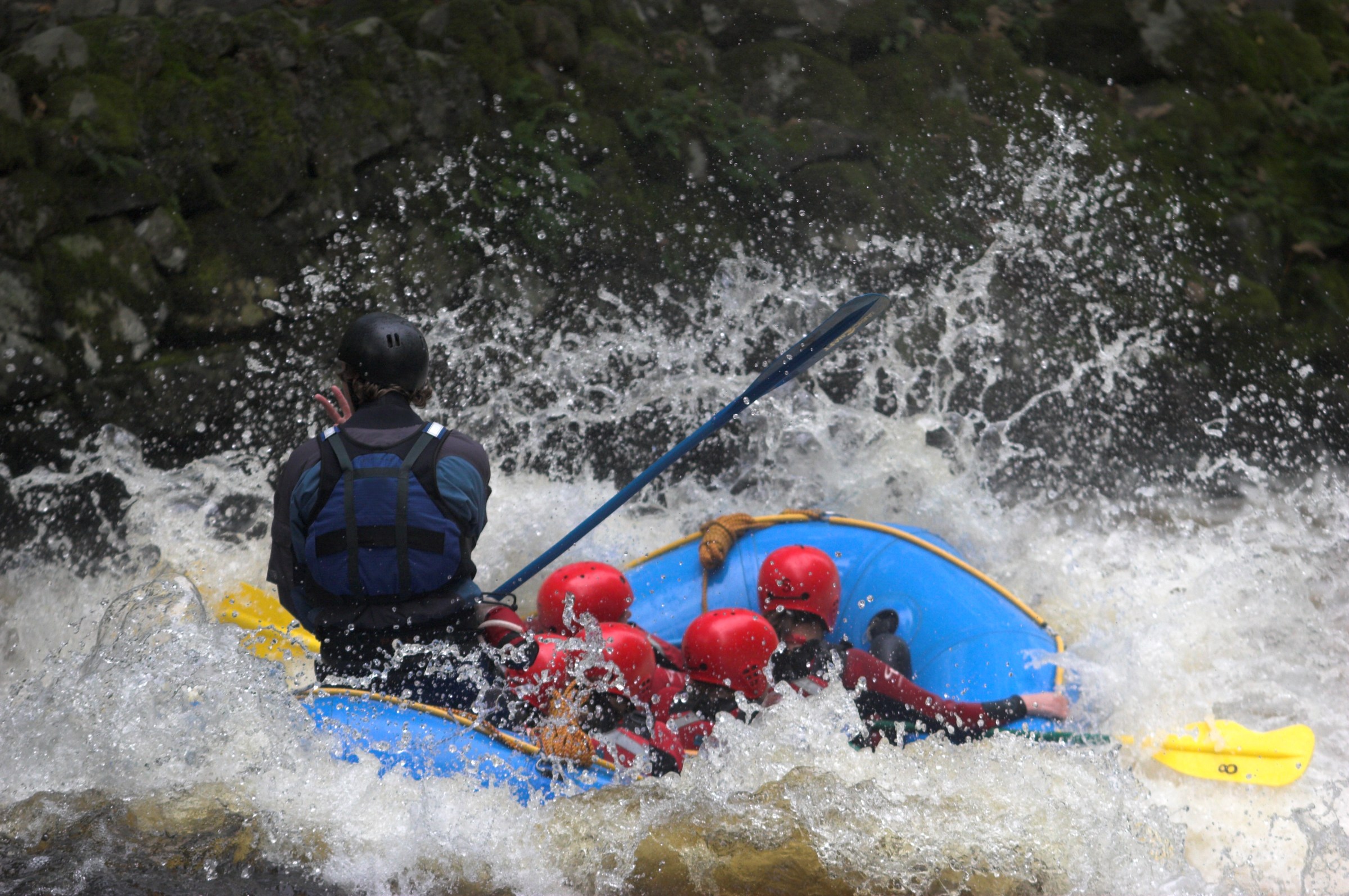
The 2026 course taught people with no river background to run a boat full of guests through Class II and III whitewater. It packed 11 training days into a two-week window in May, and the days off moved around the weather and around whatever the group needed on the water.
That’s fast. It works because the same skills repeat every day and the river does a lot of the teaching, which is why the goal at the end is so practical: a new guide who can read a rapid, call the strokes and keep a raft of strangers safe. Anyone who needed more time could use extra training and equipment to practice with.
→ Tahoe Whitewater guide school
The Course Covers Far More Than Steering
Steering is one item on a syllabus of nearly twenty. Boat handling and paddle strokes head the 2026 list, alongside reading water, river hydrology and the terminology guides use with each other. Trainees also practiced the safety talk and boat talk they’d later give guests, along with guide etiquette and the knack of keeping people comfortable outdoors.
Gear work filled out the list. Rope skills and knots, rigging boats, rigging vehicles and packing for trips sat alongside emergency protocols, boat care and repair, flora and fauna, local history and food preparation. Guests never see most of it. They just notice when the boats are rigged and ready.
→ what guests look for in a rafting guide
Plan to Swim, on Purpose, in Spring Water
Whitewater swimming and self-rescue are on the course, along with the basics of swiftwater rescue, so trainees get into the river deliberately and a swim feels familiar long before a guest’s swim becomes their job. In May, Sierra rivers run on snowmelt.
Cold water hits hard. The National Weather Service warns that cold shock brings a sudden gasp and rapid breathing that raise the risk of drowning, even for confident swimmers in calm water. Good training turns that reaction into something practiced rather than a surprise, and it’s one reason strong, calm swimmers have an easier start.
Training doesn’t stop at graduation. Each year, Tahoe Whitewater’s guides go through swiftwater rescue training and ongoing safety education.
→ whitewater rafting safety precautions
What the 2026 Course Cost, and What Came After
Tuition for 2026 was a one-time fee of $450 plus three help days, which the company describes as one of the least expensive guide schools around. For anything after 2026, Tahoe Whitewater asks interested people to get in touch, and it will tell you what’s happening and when.
A CPR and basic first aid certification course was offered afterward, taught through the company. Already hold a card? Check the date. The American Red Cross issues its Adult First Aid/CPR/AED certificate valid for two years, and an expired card does nobody any good in a canyon.
The company also said it would hire new guides from the graduates who wanted the work, which means joining a family-owned outfit that has been guiding rivers since 1994.
→ the family-run crew behind Tahoe Whitewater
Who Guide School Suits, and Who Should Wait a Year
It suits people who want a summer outdoors and genuinely like strangers. Fitness matters, since you’ll paddle and lift gear day after day. So does patience, because the guest who freezes at the first rapid is the one who needs you most, and that guest will remember how you handled it long after the trip ends. You also have to be fine with cold water.
Be realistic about the ceiling, too. The course prepares you for Class II and III water, the kind families raft, while the company’s Class IV+ runs, such as the Tunnel Chute on the Middle Fork American, sit beyond what it covers.
Not ready for spring? Raft as a guest first, on a Class II–III+ run like the South Fork American.
→ South Fork American rafting trip
Frequently Asked Questions
Q: How long is raft guide school?
A: Tahoe Whitewater Tours’ 2026 course ran 11 training days within a two-week window in May, with flexible off-days around weather and the group’s progress.
Q: Do you need experience to go to raft guide school?
A: Not at Tahoe Whitewater. The 2026 course took people with no prior rafting or guiding experience and trained them for Class II and III whitewater.
Q: How do you become a raft guide in California?
A: Start with a guide school, then get hired onto a crew. Tahoe Whitewater planned to hire from its 2026 graduates.
Start the Guide School Conversation Now
Write in through the contact page, say you’re interested in guide school and ask what’s planned. Mention any rafting you’ve done, even as a guest. The office sits at 10068 Hirschdale Rd, Truckee, CA 96161, but the guide school conversation starts with that message on gowhitewater.com.